Most people know investing is a smart way to grow their money over time. But before you put a single pound into the stock market, it’s worth pausing to ask: am I actually ready to invest?
This isn’t about knowing the difference between a bond and an ETF (that comes later). It’s about checking your financial foundations first. Think of it like building a house—you don’t start with the roof, you start with solid ground.
1. Do you have an emergency fund?
Life happens—boilers break, cars fail MOTs, jobs change. If every unexpected expense forces you to dip into your investments, you’ll undo your progress.
- Aim for 3–6 months of essential expenses in cash, tucked away in an easy-access savings account.
- This safety net means you won’t be forced to sell investments at the wrong time.
2. Are you carrying expensive debt?
If you’ve got high-interest credit cards or payday loans, investing should wait. Why?
- A £1,000 balance on a card charging 20% interest costs you £200 a year.
- Investments don’t guarantee a 20% return. Clearing debt first is like earning a risk-free return.
(Reasonable mortgages and student loans are different—they often come with much lower rates, so investing alongside them can make sense.)
3. How much can you invest?
Once your basics are covered, decide what you can realistically set aside.
- It doesn’t need to be huge—even £50–£100 a month adds up over time.
- Think of investing as “money you won’t need for at least 5 years.”
This is why having that emergency fund matters—short-term cash needs should stay out of the market.
4. What’s your time horizon?
The stock market is a long game.
- If you’ll need the money in a couple of years (house deposit, wedding, holiday), keep it in savings.
- If you’re thinking 5+ years, investing makes sense.
- For retirement savings, 20+ years, market ups and downs matter far less than the long-term growth.
5. How do you react to risk and bad news?
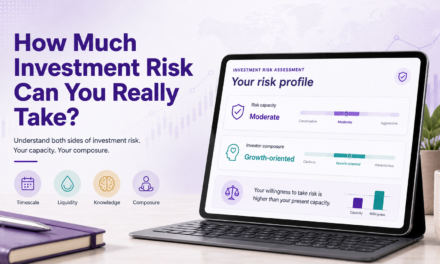
The stock market goes up and down. If a headline about “billions wiped off markets” would make you panic and sell, investing may not be right for you—at least not yet.
A quick self-check:
- If your £1,000 investment fell to £800, would you:
- Panic and sell?
- Worry but hold on?
- See it as a chance to buy more?
The second or third answer suggests you’re emotionally ready.
6. A readiness checklist
[ci_invest_quiz]
If you can check these off, congratulations—you’re ready to move on to what to invest in.
✅ Next step: Read our guide: “What Can I Invest In?”