🌟 Markets Rocked: Oil Shock, Job Losses, and the Worst Week Since 202
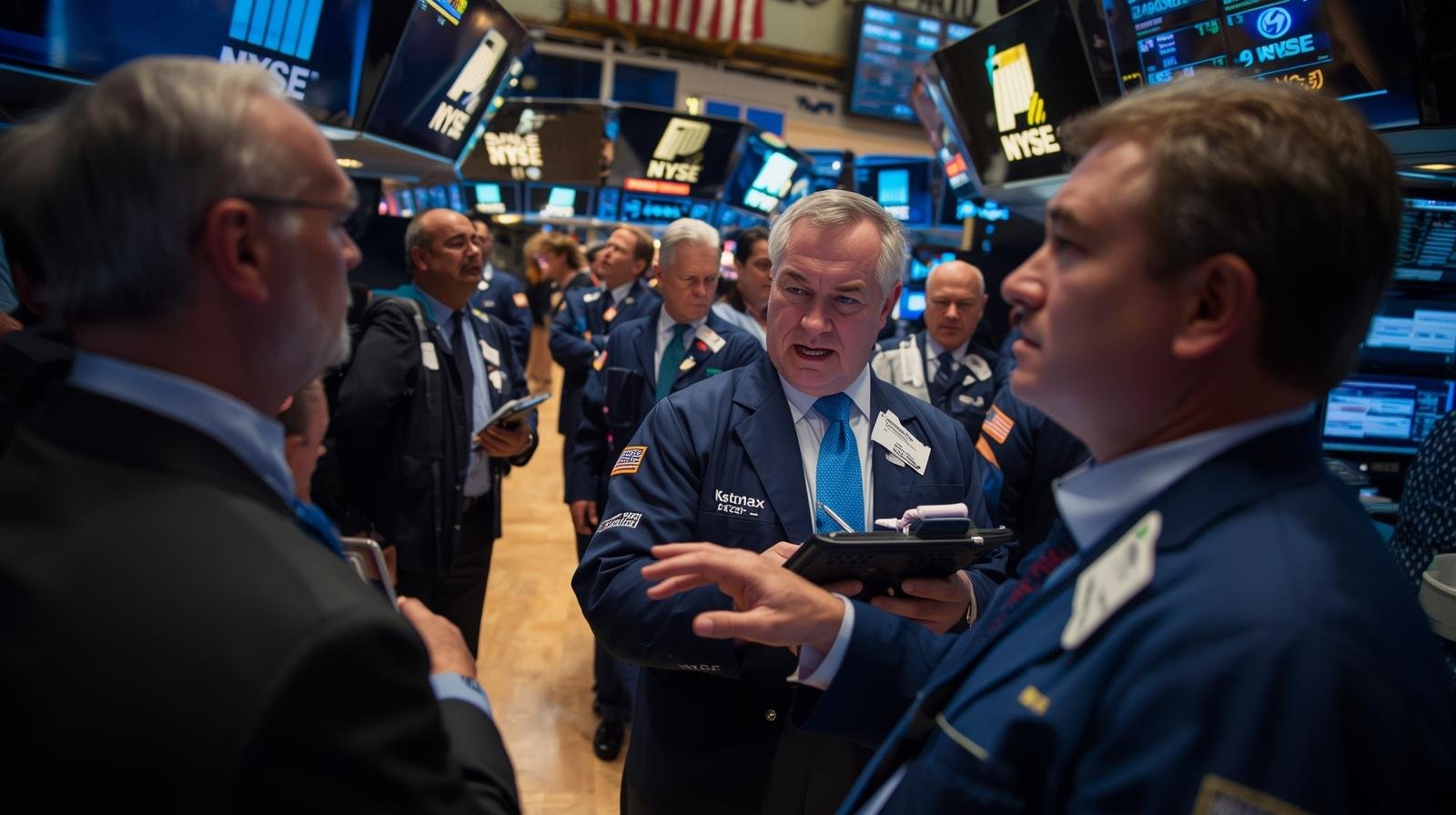
It was a week that shook global markets to their core. A dramatic escalation of conflict in the Middle East — with Iran’s actions disrupting shipping through the Strait of Hormuz — sent oil prices surging more than 11% in a single week, while a shocking US jobs report confirmed 92,000 job losses in February rather than the expected 60,000 gain. From Tokyo to London to New York, stock markets suffered their worst weekly performance since March 2020, reminding investors that geopolitical risk can never be priced in until it arrives. Against this backdrop, safe-haven assets like gold broke through remarkable new highs, and fear — not greed — defined the mood.feargreedmeter+3
📈 Weekly Scoreboard
Here is how the major global indices fared over the week (closing levels as of Friday 7 March 2026):
| Index | Weekly Change (%) | Current Level |
|---|---|---|
| S&P 500 | -2.0% | 6,740 |
| Nasdaq Composite | -1.2% | 22,388 |
| EURO STOXX 50 | -5.5% | 5,720 |
| FTSE 100 | -5.7% | 10,285 |
| Nikkei 225 | +0.6% | 55,621 |
| MSCI Emerging Markets | -2.4% | ~1,060 |
| China (SSE Composite) | +0.4% | 4,124 |
🌍 Global Drivers
- The Middle East exploded back onto markets’ radar. Iran’s escalation and the partial closure of shipping lanes through the Strait of Hormuz — one of the world’s most critical oil arteries — sent Brent crude oil soaring roughly 11% for the week to approximately $93/barrel. This instantly reignited inflation fears globally, and investors scrambled for safety in gold and bonds.
- The US jobs report was a bombshell. February’s Non-Farm Payrolls report revealed the US economy lost 92,000 jobs last month, versus expectations of a 60,000 gain — one of the largest misses in recent memory. Combined with the oil price shock, this triggered a broad reassessment of the US economic trajectory and sent the S&P 500 and Nasdaq tumbling sharply on Friday.
- Inflation fears are forcing central bank rethinks. The surge in oil prices is seen as inflationary, and European money markets — which had expected rate cuts from the ECB — are now pricing a better than 60% chance of an ECB rate hike by July. This dramatic pivot in expectations hit European equity valuations hard, contributing to the steep falls in Euro-area stocks.
- Asian markets bore the brunt. Japan’s Nikkei 225 was heading for a 6.5% weekly loss by Friday, while emerging market currencies and stocks across Asia saw their worst week since March 2020. Latin American stocks were on course for their worst week since 2022, as investors fled riskier assets.
🇬🇧 UK Corner
- FTSE 100 fell sharply, though it outperformed some peers. A drop of around 5.4% for the week meant the FTSE 100 closed near 10,285, some distance from its recent all-time high of 10,934 reached in late February. The FTSE 250, which is more domestically focused, also fell — down around 0.9% on Thursday alone. Energy stocks offered some cushion given the oil price surge, softening the FTSE’s losses relative to European counterparts.barchart+2
- The Bank of England is holding its nerve at 3.75%. With no BoE meeting this week, the focus remains on the February 5th decision to hold Bank Rate steady. The BoE had noted that inflation (currently 3%) is expected to fall back to the 2% target by spring, and that further cuts are on the table if the economy cooperates. The oil shock now complicates that picture — higher energy prices could push inflation back up, meaning the BoE’s next cut may come later than markets had hoped.
- UK investors face a double-edged oil shock. Rising oil prices are bad news for UK consumers (higher petrol and energy bills) and squeeze corporate profit margins for businesses with high energy inputs. However, UK-listed oil majors like Shell and BP will have seen their share prices supported this week — another reminder of how the FTSE 100’s heavy weighting in energy and commodities can act as a natural hedge in times like these.
🏦 Key Asset Movers
- Gold surged to extraordinary new highs above $5,100/oz. Spot gold traded above $5,181 on Friday, rising more than 2% on the day alone, driven by heavy safe-haven demand and reports of significant Chinese institutional buying. For context, gold has become the go-to asset in 2026 whenever geopolitical fears spike — this week was a textbook example of that dynamic in action.
- Sterling held its ground against the dollar. GBP/USD traded around 1.3411 on Friday, gaining 0.42% on the session. The US Dollar Index fell slightly to 98.855, as the terrible jobs report undermined confidence in the US economy. A stronger pound is generally good news for UK investors with overseas assets (it reduces the value of foreign returns when translated back to sterling), though it also reflects the global nervousness around US economic data.
- Oil was the story of the week. Brent crude surged toward the $93/barrel region, with WTI oil trading around $90/barrel — levels that are meaningfully inflationary if sustained. For UK investors, this matters because higher oil prices feed directly into energy bills, input costs for companies, and ultimately the inflation rate — all of which influence how quickly the BoE can cut rates.
📰 Key Headlines
- Iran signals conflict escalation, Middle East tensions spike (Reuters, 2 March) — Iran’s actions near the Strait of Hormuz disrupted major global shipping lanes, triggering the worst oil price surge since the early pandemic era.
- US economy loses 92,000 jobs in February (Charles Schwab / Reuters, 7 March) — The jobs report delivered a major shock — analysts expected a gain of 60,000 — raising serious questions about whether the US is heading for a slowdown.
- Asian stocks and currencies hit worst week since March 2020 (Reuters, 6 March) — The oil shock and war risk drove a co-ordinated global sell-off, with Asian FX and equities suffering across the board.
- Latin American stocks set for worst week since 2022 (Reuters, 6 March) — Emerging markets bore the brunt of the global risk-off wave, with the MSCI EM index falling nearly 7% for the week.
- Gold returns above $5,100 after significant Chinese buying (XTB, 7 March) — The yellow metal reclaimed key levels after briefly dipping earlier in the week, underscoring its role as the world’s premier safe-haven asset.
- ECB rate hike now a real possibility, markets price 60% chance by July (Reuters / MarketScreener, 7 March) — The surge in oil prices forced a dramatic repricing of ECB expectations, sending European bond yields higher and stocks lower.
- FTSE 100 closes at three-week low as yields climb (Reuters, 5 March) — UK blue-chips reversed earlier gains as rising government bond yields made equities less attractive to income-seeking investors.
- Bank of England holds Bank Rate at 3.75%, signals spring inflation target met (Investment Week / BoE, 5 Feb 2026) — The BoE’s most recent guidance (from its February 5 meeting) points to further rate cuts this year if the economy evolves as expected — a message now being tested by the oil price spike.investmentweek+1
📑 Companies Reporting
The week of March 2–7 was one of the final busy weeks of the Q4 2025 earnings season.
- Broadcom (AVGO) — The AI chip bellwether was closely watched for guidance on AI infrastructure spending. As one of the market’s most important semiconductor companies, its commentary on demand from hyperscalers was key.
- CrowdStrike (CRWD) — The cybersecurity giant reported mid-week. Investors were focused on whether its turnaround from the 2024 software outage episode has fully taken hold.
- Target (TGT) — Reported Tuesday morning. The US retailer’s results provided a fresh read on American consumer health, particularly relevant given Friday’s weak jobs data.
- Best Buy (BBY) — Also reported Tuesday. Consumer electronics demand and margin trends were the key watch-outs.
- Marvell Technology (MRVL) — Another semiconductor name in the spotlight, with investors keen for any read-across on AI chip demand beyond Nvidia.
- Berkshire Hathaway (BRK.B) — Warren Buffett’s conglomerate reported on Saturday, March 7. Full-year results and any commentary from Buffett on market valuations and capital allocation always attract huge investor attention globally.
- Norwegian Cruise Line (NCLH) — Reported during the week; results provided a window into consumer discretionary travel spending.
⚖️ Investor Sentiment Dashboard
The CNN Fear and Greed Index stood at just 27 — firmly in “Fear” territory — as of Friday, while the VIX (Wall Street’s so-called “fear gauge”) spiked sharply higher during the week as geopolitical shocks and the jobs miss rattled nerves. Together with broader evidence of investors retreating to safe-haven assets — gold hitting records, bond yields falling as money flowed into Treasuries — the picture is one of a decisive Risk-OFF environment. The collective message from sentiment indicators is clear: conviction has collapsed, investors are defensive, and the risk appetite that characterised early 2026 has been replaced by anxiety.
Fund Flows: Emerging market assets saw notable outflows as the Middle East shock and US recession fears combined to push investors away from higher-risk geographies. Latin American equities were among the hardest hit, with Reuters noting stocks there were tracking their worst weekly decline since 2022. European equity funds also faced pressure, particularly those with exposure to energy-intensive industrials. Gold ETFs and US Treasury funds, by contrast, likely saw meaningful inflows this week as investors repositioned.
📅 Next Week’s Radar
- 🇺🇸 US CPI Inflation (Wednesday 11 March, 13:30 UK) — Arguably the most important data release of the next fortnight. Given oil’s surge this week, any upward surprise in headline inflation will fuel fears the Fed has no room to cut — and markets will react sharply.
- 🇬🇧 UK GDP & Monthly Economic Output (Thursday 12 March, 07:00 UK) — January’s GDP reading will provide the first hard data on whether the UK economy has found any momentum in 2026. A surprise to the downside would add to BoE rate-cut pressure.
- 🌍 Middle East Developments (Ongoing) — Trump indicated Iran had reached out regarding a ceasefire. Any credible progress could see oil pull back 5–10%, triggering a sharp relief rally in equities. Conversely, further escalation would add to the pain.
- 📊 ECB Speakers & Rate Expectations (All Week) — With markets now pricing an ECB rate hike, any ECB commentary will move European bond and equity markets. Watch for speeches from ECB President Lagarde and Governing Council members.
⚡ The Final Take
This was one of those weeks that reminds every investor — however experienced — that markets can turn violently and quickly when geopolitics and economic data collide in the wrong way. The oil shock is the key variable to watch: if the Middle East situation stabilises and crude prices retreat, this week’s sell-off could prove a buying opportunity in quality assets; if it persists, inflation fears will keep central banks on hold and pressure valuations further.
© Clearly Investments Ltd. Educational information only. This is not investment advice.