🌟 Markets Stage a Powerful Recovery
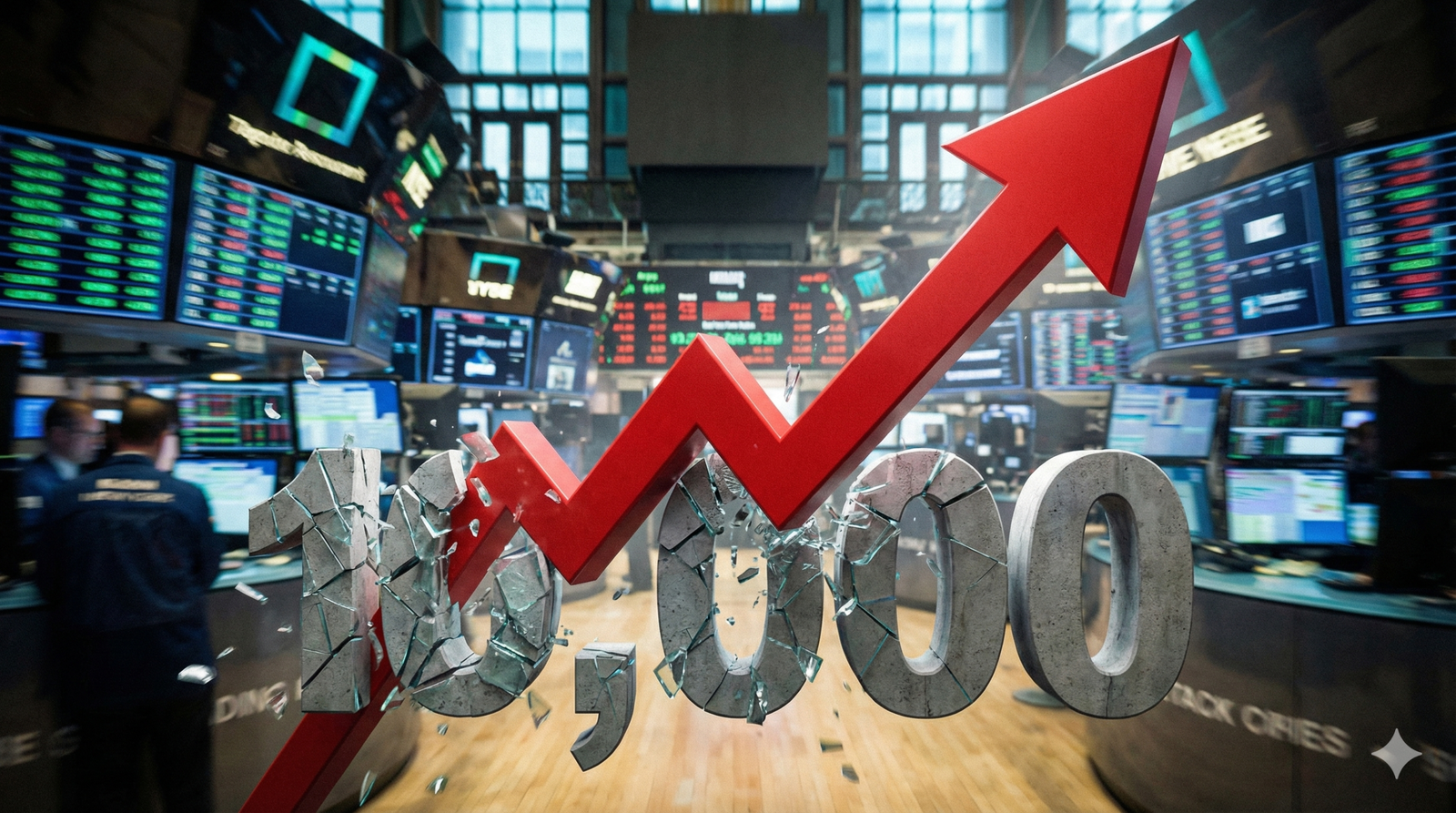
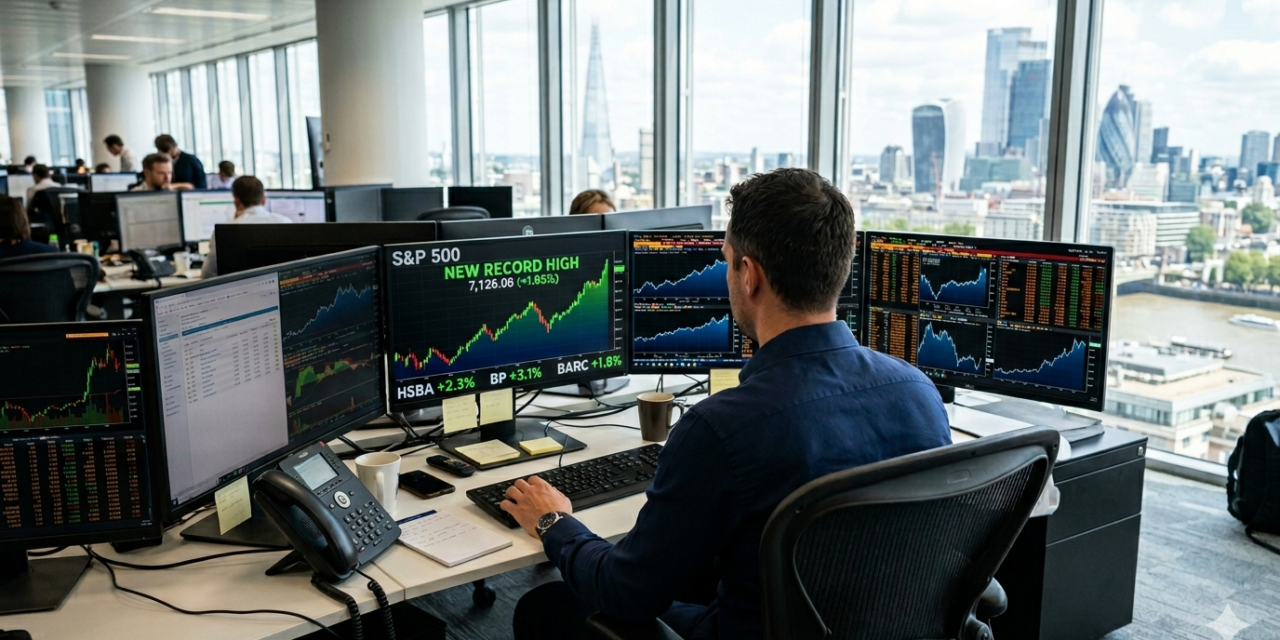
It was a week of remarkable resilience. After weeks of war-driven anxiety following the outbreak of the Iran conflict in late February, markets staged a broad-based recovery as hopes for de-escalation took hold and US earnings season kicked off in style. From Wall Street to Tokyo, investors rotated back into risk assets, with the S&P 500 touching record territory mid-week. For UK investors, a surprise of UK GDP growth added a welcome domestic tailwind.
📈 Weekly Scoreboard
Weekly changes below are based on Friday 17 April versus Friday 10 April closing levels.
| Index | Weekly Change (%) | Current Level |
|---|---|---|
| S&P 500 | +4.5% | 7,126.03 |
| Nasdaq Composite | +6.8% | 24,468.48 |
| EURO STOXX 50 | +2.3% | 6,061.85 |
| FTSE 100 | +0.6% | 10,666.97 |
| Nikkei 225 | +2.7% | 58,475.90 |
| MSCI Emerging Markets | +3.2% | 1,597.13 |
| China (SSE Composite) | +1.6% | 4,051.43 |
🌍 Global Drivers
- Iran war de-escalation hopes drove the rally. Signs that diplomatic back-channels were opening cooled some of the geopolitical premium baked into markets since late February, prompting investors to unwind defensive positions and pile back into equities. Energy prices fell sharply in response — a significant positive for inflation-sensitive markets.
- Oil’s dramatic drop was the week’s big story. Brent crude slid from near $99/bbl at the start of the week to close at approximately $88.86/bbl on Friday — a sharp reversal that eased fears of a prolonged inflation spiral and boosted consumer-facing stocks globally.
- US Q1 earnings season opened. FactSet forecasts S&P 500 earnings grew 12.5% year-on-year in Q1 2026, marking a sixth consecutive quarter of double-digit growth. Strong beats from big banks and Netflix reinforced confidence that the US corporate sector has weathered the geopolitical storm better than feared.
- Softer US producer prices added fuel. US PPI data came in below expectations mid-week, reducing Fed rate-hike worries. This was particularly welcome after weeks of inflation concerns driven by surging energy costs.
🇬🇧 UK Corner
- The FTSE 100 lagged the global rally a little, rising 0.6%, while the more UK-focused FTSE 250 climbed about 3.8%. That tells you investors were more willing to buy domestic recovery stories this week than the big global defensives that dominate the FTSE 100.
- UK GDP was better than expected. The ONS reported 0.5% month-on-month growth in February — the strongest reading since January 2024 and well ahead of the 0.2% consensus forecast — suggesting the economy was in better shape heading into the Iran conflict than feared.
- The BoE rate path remains a balancing act. Some UK outlooks still points to a rate cut to 3.50% later in 2026, but the IMF warned this week that UK inflation could spike to 4% temporarily this year — the highest in the G7 at 3.2% for 2026 — as energy costs feed through. The BoE will be watching oil prices closely; the Brent drop is welcome news.
🏦 Asset Movers
- FX: Sterling firmed modestly. GBP/USD finished the week around $1.3519, up from $1.3462 a week earlier, showing the pound held up well despite the geopolitical noise.
- Oil: Brent moved sharply lower. Brent crude closed around $91.57, down from $95.20 the previous Friday, which matters because lower oil can ease pressure on inflation and consumers.
- Gold: still firm. Gold closed near 4,849.4, up from 4,787.4 a week earlier, showing some investors still want protection even as equities rally.
📰 Key Headlines
- UK GDP grows 0.5% in February — Britain’s economy expanded far faster than expected before the Iran war began, giving policymakers slightly more breathing room.
- IMF warns UK faces biggest growth hit from Iran war among major economies — The IMF cut UK growth forecasts and flagged inflation could hit 4% temporarily, the highest in the G7.
- S&P 500 hits fresh all-time highs as Iran tensions ease — Wall Street surged, with the S&P 500 reclaiming record levels and the Nasdaq posting its 10th consecutive daily gain.
- Goldman Sachs reports blowout Q1 earnings of $17.55 EPS — Revenues hit $17.23bn with an ROE of 19.8%, smashing expectations and setting a bullish tone for the earnings season.
- Brent crude falls sharply amid de-escalation hopes — Oil’s retreat from near $100/bbl toward $89 was one of the most significant macro moves of the week, reducing inflation risk globally.
- UK faces highest G7 inflation in 2026 at 3.2%, IMF says — Energy-driven price pressures will be most acute in the UK, though the IMF expects inflation to return to target by end-2027.
- CNN Fear & Greed Index climbs to 54 (Neutral) — Sentiment moved back toward neutral for the first time in over two months, signalling early-stage risk appetite recovery
📑 Companies reporting
- TSMC: Profits jumped 58% to a record level and management raised its annual growth outlook; that helped confirm investors’ belief that AI demand is still very real. (Reuters)
- ASML: The chip-equipment giant lifted its 2026 revenue outlook and the shares pushed to a record high, another boost for the semiconductor trade. (Reuters)
- Netflix: Results beat forecasts, but weaker guidance and management changes hit confidence, sending the shares sharply lower and making it the biggest drag on the S&P 500 on Friday. (Reuters)
- JPMorgan: Profit rose 13% and trading revenue hit a record, though the shares were little changed as expectations were already high. (Reuters)
- Bank of America: Strong trading helped profit rise nearly 17%, and the shares gained as investors welcomed another solid banking update. (Reuters)
- Citigroup: Revenue hit its highest level in a decade and the shares climbed to their highest since 2008, showing markets liked the turnaround story. (Reuters)
⚖️ Investor Sentiment
The mood has clearly improved. The VIX closed at 17.48, down from 19.23 a week earlier, while a CNN-derived Fear & Greed reading stood at 68, which sits firmly in “greed” territory; the one note of caution is that the latest AAII bull-bear spread remained negative at roughly -11%, showing retail investors are still not fully convinced.
Fund flows backed the stronger tone too, with $31.26bn going into global equity funds in the latest week, $5.46bn into technology sector funds, and a huge $173.24bn leaving money market funds, which suggests cash is starting to move back into markets.
📅 Next Week’s Radar
- Tuesday 21 April, early UK morning: UK labour market data. Wage growth and unemployment will matter for the Bank of England debate. (Office for National Statistics)
- Wednesday 22 April, after the U.S. close / 22:30 UK webcast: Tesla reports. This will be watched closely as a read-across for big-cap growth sentiment. (Tesla Investor Relations)
- Thursday 23 April, 09:30 UK: Flash UK PMI data. A useful early read on whether business activity is holding up. (pmi.spglobal.com)
- Thursday 23 April, 14:45 UK: Flash U.S. PMI data. This will help test whether the U.S. economy is still growing fast enough to support lofty equity prices. (pmi.spglobal.com)
- Friday 24 April, 07:00 UK: UK retail sales. Important for judging the health of the consumer. (Office for National Statistics)
⚡ The Final Take
This was a classic relief rally: lower oil, easing disruption fears, and strong technology earnings were enough to push investors back into risk assets. The key question now is whether that optimism can broaden out from tech-led strength into a more durable global recovery story.
© Clearly Investments Ltd. Educational information only. This is not investment advice.