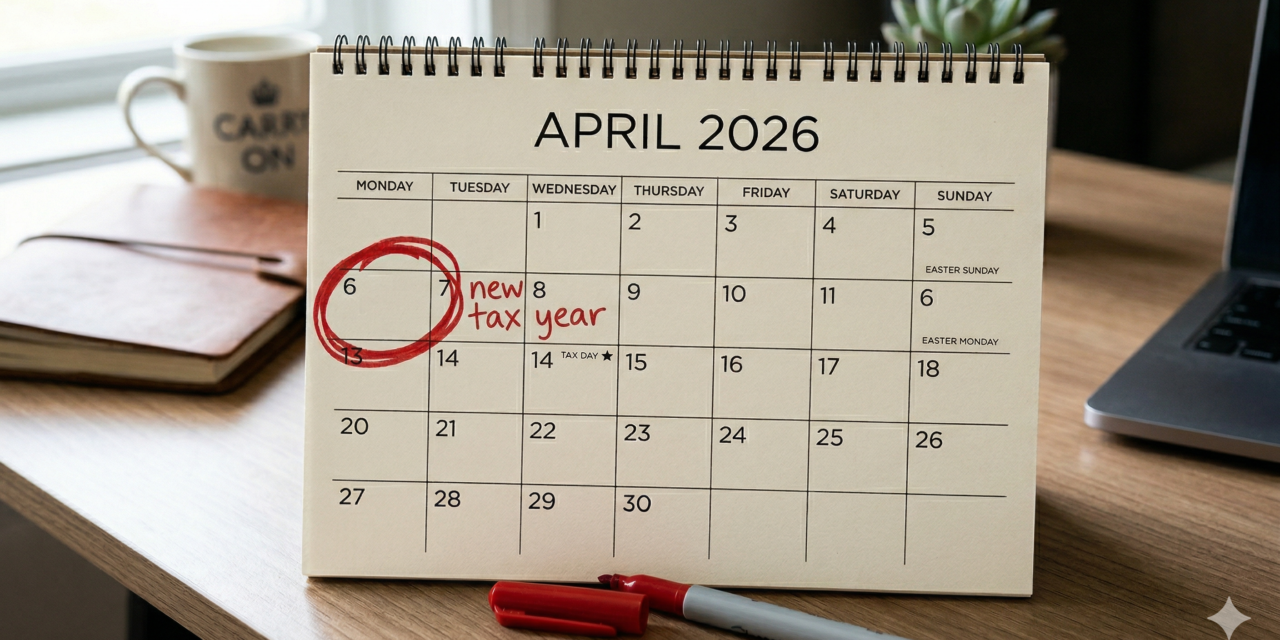
Your allowances reset on 6 April 2026, and now is a good time to review your finances. Here are ten points to help you.
The key allowances to know first
Before you do anything else, check the main allowances available for the 2026/27 tax year:
- Personal Allowance: £12,570
- ISA allowance: £20,000
- Lifetime ISA limit: £4,000 within the ISA limit, with a 25% government bonus
- Junior ISA limit: £9,000
- Pension annual allowance: £60,000
- Money Purchase Annual Allowance: £10,000
- Capital Gains Tax annual exempt amount: £3,000
- Dividend allowance: £500
- Marriage Allowance transfer: £1,260, worth up to £252 of tax saved for eligible couples
One extra point worth remembering: the standard income tax bands shown on GOV.UK apply to most UK taxpayers, but Scottish income tax bands are different for earned income.
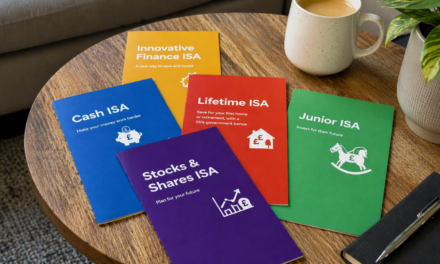
1) Start with the easiest: use your ISA allowance
For 2026/27, you can shelter up to £20,000 inside an ISA, free of UK tax on income and gains.
The practical move is simple:
- put in a lump sum if you have spare cash
- or set up a monthly direct debit now
- and decide whether the money belongs in cash, stocks and shares, or a mix of both
One extra practical point: if your ISA is flexible, you can take money out and replace it in the same tax year without using extra allowance.
2) Think as a couple, not just as an individual
You may only have a £20,000 ISA allowance, but a couple has two ISA allowances. That means up to £40,000 can be sheltered this tax year if both partners use their own allowances. The same logic applies to other allowances.
So instead of asking, “Have I used my allowance?”, ask: “Have we used our household allowances properly?”
That may mean:
- using both partners’ ISAs
- checking which partner should hold taxable savings
- reviewing whether one partner is not using allowances while the other is paying unnecessary tax
This is especially useful where one partner is a lower earner, retired, or has little taxable income.
3) Check if you can transfer 10% of your Personal Allowance
This is one of the simplest household tax breaks around, and plenty of couples still miss it.
If you are married or in a civil partnership, and one partner has income below the Personal Allowance, they may be able to transfer £1,260 of that allowance to their partner. That can cut the receiving partner’s tax bill by up to £252 for the year, provided the receiving partner is a basic-rate taxpayer.
But if one partner is not fully using their allowance, do not let it go to waste.
This is not a huge sum, but it is easy money if you qualify.
4) Put cash savings in the right name
That can be a mistake. Basic-rate taxpayers get a Personal Savings Allowance of £1,000, while higher-rate taxpayers get £500. Lower earners may also benefit from the starting rate for savings, which can mean up to £5,000 of savings interest taxed at 0%, depending on their other income.
If one partner is paying tax on savings interest while the other has spare allowance, review whose name the account is in. A simple switch can reduce the tax bill without changing your overall household finances.
5) Review your taxable investment account early
If you invest outside an ISA or pension, the start of the tax year is the right time to review it.
The Capital Gains Tax annual exempt amount is only £3,000 per person, and the dividend allowance is only £500. Those are much smaller than they used to be, which means more investors can now be dragged into tax without realising it.
Practical questions to ask now:
- Are there holdings that would be better moved into an ISA over time?
- Are you sitting on gains that need managing gradually?
- Could a spouse or civil partner use their own CGT exemption or dividend allowance?
HMRC says transfers between spouses and civil partners who live together are generally made on a no gain, no loss basis, which can make it easier to use allowances more efficiently across a household. For most paltform providers, it is easy to set up an account and transfer stock between partners.
6) Reset your pension plan before the year gets busy
Pensions are still one of the biggest tax shelters available.
For 2026/27, the standard annual allowance remains £60,000, though the Money Purchase Annual Allowance is £10,000 if you have flexibly accessed a defined contribution pension. Some higher earners may also have a reduced allowance because of tapering.
The practical lesson is : do not leave pension planning until next March.
The start of the year is when you should:
- check current contributions
- increase them if affordable
- use salary sacrifice if available through work
- and see whether carry forward from the previous three tax years might help
Even a small monthly increase made in April is usually easier than scrambling for a large one-off top-up at the end of the year.
7) Collect your end-of-year tax paperwork now
This is not exciting. It is still one of the most useful things you can do.
Gather your paperwork for the tax year that ended on 5 April 2026 now, while it is still fresh. That may include:
- P60s and P45s
- bank and savings interest statements
- dividend vouchers or platform tax certificates
- pension contribution records
- Gift Aid donations
- rental income records
- self-employment or side-income records
- capital gains information
The earlier you gather this, the fewer gaps you will have later.
8) Submit your tax return early, even if payment is months away
This is the big practical tip I would push hardest.
For the 2025/26 Self Assessment return, the online deadline is 31 January 2027. But you do not need to wait until January to file it. HMRC allows you to file once the tax year has ended, and filing early helps you work out what you owe, budget for it, and avoid panic later.
That matters because filing early gives you:
- clarity on the bill
- more time to save for it
- less risk of missing information
- less chance of a January rush and penalty
And if paying is going to be difficult, HMRC says some taxpayers may be able to spread the cost through a payment arrangement.
9) Check your tax code before the mistake grows
A wrong tax code early in the year can quietly create problems for months.
So log in, check your code, and make sure HMRC’s records broadly match your real situation. The HMRC online system is really good. If you have changed jobs, started drawing pension income, or have benefits in kind, this is especially worth reviewing. GOV.UK’s income tax guidance confirms you can check your current allowance and tax information online.
10) Turn all of this into an April checklist
The best tax planning is usually not clever. It is simply done early.
Here is the practical start-of-tax-year checklist:
- Use your ISA allowance
- Check both partners’ allowances
- Review Marriage Allowance
- Put savings in the right name
- Review taxable investments
- Reset pension contributions
- Gather last year’s tax paperwork
- Check your tax code
- File your tax return early
- Set reminders now, not in January